Introduction
In the era of generative AI, combining two images has evolved from tedious manual editing in tools like Photoshop to seamless, intelligent blending powered by machine learning. AI image combiners analyze content, lighting, colors, and compositions from multiple photos to produce a single, cohesive output—whether realistic photo merges, artistic style fusions, or mind-bending surreal scenes. This article explores how AI can combine two images into one polished result, covering practical use cases like photo blending, style fusion, and surreal composition. It also breaks down the best tools, key techniques, and tips for achieving clean, realistic, or artistic outputs tailored to your creative goals.
Why Use AI to Combine Images?
Traditional image merging relies on manual masking, layer adjustments, and color correction, which can take hours and demand advanced skills. AI automates this with deep learning models that understand semantics: they detect subjects, harmonize lighting, inpaint gaps, and ensure perspective consistency. The result? Professional-grade composites in seconds.
Common motivations include:
Realistic photo edits: Merging family members into group shots or placing subjects in new environments.
Artistic experimentation: Creating double exposures, style transfers, or hybrid visuals.
Professional applications: Product mockups, social media content, advertising concepts, or video keyframes.
Surreal creativity: Fusing unrelated elements like a cityscape emerging from a beach or a portrait blended with abstract textures.
By 2026, AI tools have matured to handle 2-8 images simultaneously, support text-guided blending, and integrate with video workflows, making them indispensable for creators.
Key AI Techniques for Combining Images
AI doesn't simply overlay images; it reconstructs them intelligently. Here's a breakdown of the core methods, drawn from leading platforms:
Segmentation & Masking: AI detects edges and isolates subjects (e.g., people, objects) using models like SAM (Segment Anything Model), then composites them onto the target image. Best for: Photo-to-photo merges, subject swaps. Strengths: Precise boundaries, realistic integration. Limitations: Struggles with low-res or complex overlaps.
Lighting & Color Harmonization: Analyzes tone, shadows, and hues from both images, applying global adjustments for seamless matches. Best for: Portrait-background blends, group photos. Strengths: Natural-looking results without harsh contrasts. Limitations: High-contrast sources may need manual tweaks.
Generative Fill / Inpainting: Fills voids with context-aware details generated by diffusion models. Best for: Surreal compositions, gap reconstruction. Strengths: Creative freedom, adds realism to impossible scenes. Limitations: Outputs can be unpredictable without strong prompts.
Style Fusion / Transfer: Extracts artistic styles (textures, brushstrokes) from a reference and applies them to the base image. Best for: Artistic portraits, double exposures. Strengths: Unique aesthetics like watercolor-comic hybrids. Limitations: May dilute fine details in photorealistic goals.
Text-Guided Blending: Uses prompts to dictate fusion. Best for: Custom surreal art, multi-image merges. Strengths: Highly intentional results. Limitations: Vague prompts lead to averaged, unintended blends.
These techniques power most tools, often combining them for hybrid results—e.g., segmenting a subject, harmonizing colors, then generatively filling the background.
Creative Use Cases for AI Image Combining
AI excels at transforming ideas into visuals. Here are proven scenarios:
1. Photo Blending for Realistic Composites
Merge real photos for lifelike edits:
Family or Group Shots: Combine individual portraits into a single scene. Tools auto-align poses and lighting.
Subject-to-Background: Place a person on a dream vacation backdrop. Example: Upload a selfie and a beach photo; AI relights the subject to match sunset hues.
Pro Tip: Use evenly lit, high-res sources (at least 1MP) with similar angles.
2. Style Fusion for Artistic Effects
Blend aesthetics for fresh designs:
Classic Meets Modern: Fuse a vintage portrait with neon graphics for retro-futuristic vibes.
Dual-Style Portraits: Morph watercolor textures onto a comic-book face.
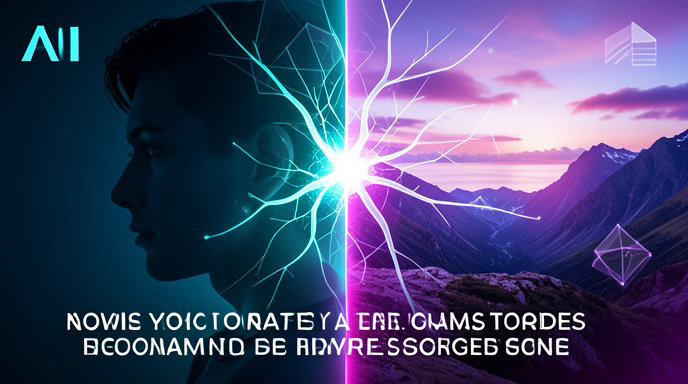
Double Exposure: Overlay a silhouette with landscapes, as in a forest silhouette emerging from a profile.
Colorization: Blend B&W photos with vibrant references to add depth.
3. Surreal Compositions for Conceptual Art
Push boundaries:
Nature + Technology: A dinosaur in a robot city or trees growing from a smartphone.
Abstract Hybrids: Cityscape rising from ocean waves or textures overlaying portraits.
Multi-Image Scenes: Combine 3-5 elements into product showcases or storyboards.
These cases shine in social content, campaigns, and pre-vis for videos, where LTX Studio or Runway ML can turn blends into animated keyframes.
Top AI Tools for Combining Two Images
Select tools based on your needs—free online options for quick tests, apps for mobile, or pro software for batches. Here's a curated list:
LTX Studio: Web platform with text-guided multi-image blending, video keyframe export, and edge/lighting automation. Best for video pre-vis and campaigns.
Canva AI: Web and app tool with photo-to-photo merge, generative fill, and face fusion. Best for beginners and social media content.
Pixelcut: Web and app solution for double exposures and surreal blends with prompt-based control. Best for artistic composites.
MyEdit: Web tool with instant AI Image Fusion and no install required. Best for quick online merges.
PhotoDirector: App and desktop option with style transfer and image fusion. Best for portraits and pros.
Fotor: Web and app platform offering blending modes, color harmonization, and easy sliders. Best for realistic photo edits.
Imgity: Web tool that merges 2-8 images with auto-arrange and prompt control. Best for complex multi-merges.
Recraft AI: Web-based tool for style and object blending to create original art. Best for designers and digital art.
Runway ML: Web platform for creative fusion and morphing with an advanced Gen-3 model. Best for surreal video extensions.
Most offer free tiers with watermarks; upgrade for HD exports.
Step-by-Step Guide: How to Combine Two Images with AI
Follow this workflow for any tool:
1. Prepare Your Images: Select sharp, high-res files (JPEG/PNG, 1024x1024+ ideal). Match lighting and angles where possible. Decide base (primary canvas) vs. overlay (element to add).
2. Choose and Access the Tool: Go to the "Merge," "Blend," "Fusion," or "Combine" feature.
3. Upload Images: Drag and drop your two photos. Label if needed, such as "subject" and "background."
4. Set Parameters: Select mode: Realistic, Artistic, or Double Exposure. Enter a prompt: "Seamlessly blend the woman from image 1 into the forest from image 2, matching golden hour lighting." Adjust sliders like blend intensity and style strength.
5. Generate and Refine: Hit "Generate." Review multiple variants. Iterate with refined prompts or edit masks. Download in PNG for transparency.
Example in Pixelcut: Upload portrait plus landscape, prompt "double exposure of face with mountains, ethereal fog." Result: silhouette filled with peaks in seconds.
Best Practices and Pro Tips for Stunning Results
Prompt Engineering: Be specific—"Take the exact pose from photo A, relight to match B's sunset, add volumetric fog"—over vague "blend these."
Source Quality: Higher res and consistent lighting yield much better outputs. Crop distractions first.
Iterate Intentionally: Generate batches, upscale winners, and refine from the best result.
Avoid Over-Blending: Moderate opacity prevents muddy results; use masking for precision.
Test Multi-Image: Start with two, then scale to more images for complexity.
Post-Processing: Tweak in free tools like GIMP for final color curves.
Ethical Notes: Credit sources for commercial use; avoid deepfakes of real people without consent.
Hardware: Web tools run on cloud GPUs, so you do not need a powerful PC, but stable internet is key.
Common Pitfalls: Low-quality inputs cause artifacts; fix with enhancement pre-steps in tools like Fotor.
Master these, and you'll produce composites indistinguishable from pro shoots—or wildly imaginative art that stands out. Experiment across tools to find your workflow.
Create Better AI Image Combinations with AI4Chat
If you’re exploring how to AI combine two images, AI4Chat gives you the exact tools to move from idea to polished result faster. Instead of jumping between separate apps for generation, editing, and comparison, you can keep the whole creative process in one place and refine your image pairings with less trial and error.
Generate and Merge Visual Ideas with AI Text to Image & Image to Image
The most direct way to combine two images creatively is to transform one visual into another while preserving the style, subject, or composition you want. AI4Chat’s Image to Image tools let you rework visuals into a unified concept, while Text to Image helps you generate matching elements when one of your source images needs a complementary scene, object, or background.
- Image to Image: blend or reimagine source visuals into a single cohesive result.
- Text to Image: generate matching additions when your two images need a stronger visual connection.
Refine Results Faster with AI Image Editor and AI Chat with Images
Once your combined image is close, AI4Chat helps you polish it without starting over. Use the AI Image Editor to resize, compress, or upscale the final artwork for publishing. If you need feedback on composition, consistency, or what to improve next, upload the images into AI Chat with Files and Images and ask for direct, context-aware guidance.
- AI Image Editor: finalize size and quality for blogs, social posts, or design work.
- AI Chat with Files and Images: analyze your images and get practical improvement suggestions.
Test Better Prompts and Visual Directions with Magic Prompt Enhancer
When image combinations don’t come out the way you imagined, the problem is often the prompt. AI4Chat’s Magic Prompt Enhancer turns a simple idea into a more detailed, professional prompt, helping you describe exactly how the two images should blend, what style to keep, and what mood or lighting to match. That means fewer weak outputs and more usable results on the first try.
Conclusion
AI image combination tools have made it easier than ever to blend two images into a single polished result, whether your goal is realism, artistic experimentation, or surreal concept work. With techniques like masking, harmonization, inpainting, and text-guided blending, creators can now produce professional-looking composites with far less time and technical effort.
The best results come from strong source images, clear prompts, and thoughtful refinement. By choosing the right tool and following the best practices outlined above, you can turn simple image pairs into compelling visuals that fit social posts, marketing assets, portfolio pieces, or imaginative creative projects.